
Fall Pressure Washing Sparta NJ: Why Now Is the Time

Most Sparta homeowners think of pressure washing as a spring ritual. Scrub off the winter, refresh the curb appeal, done. But if fall pressure washing in Sparta, NJ is not already on your calendar before the first hard frost hits Sussex County, you are leaving your property vulnerable to exactly the kind of damage that costs the most to fix in the spring. Organic stains set faster in cold temperatures, algae and mold keep growing under leaf cover, and moisture trapped against any surface before a freeze is a recipe for cracked concrete, rotted wood, and damaged paint. Fall cleaning is not just cleanup. It is prevention.
Table of Contents
- Why Fall Is the Right Window for Exterior Cleaning in Sparta
- Quick Takeaways
- What Sparta’s Fall Conditions Do to Your Property
- Surfaces That Need Attention Before Winter
- Soft Washing vs. Pressure Washing: Fall Surface Guide
- Scheduling Strategy: Book Early or Lose Your Spot
- Frequently Asked Questions
- References
Why Fall Is the Right Window for Exterior Cleaning in Sparta
Fall in Sparta, NJ runs roughly from mid-September through November. October averages a high near 65°F and a low around 51°F, with humidity staying in the mid-60s. That window gives professional cleaning crews enough warmth for cleaning solutions to work effectively, enough moisture for rinsing, and enough dry days to let sealed or stained surfaces cure before winter sets in.
By late November, nighttime temperatures regularly dip toward or below freezing. Any standing water or trapped moisture in porous surfaces like concrete, pavers, or wood decking then goes through freeze-thaw cycles that widen existing micro-cracks and accelerate surface breakdown. A fall cleaning removes the organic debris and moisture-trapping grime before that process begins.
Fall also represents the end of high-growth season for algae, mold, and mildew. A summer’s worth of shading from Sparta’s mature tree canopy, combined with the humidity off Lake Mohawk and surrounding water bodies, creates ideal conditions for biological growth on roofs, siding, and hardscapes. Cleaning in fall removes that growth at its seasonal peak rather than letting it overwinter and re-emerge stronger in spring.
Quick Takeaways
| Key Insight | Explanation |
|---|---|
| Tannin stains set fast in cold weather | Fallen leaves from Sparta’s heavy tree canopy deposit tannins on concrete and pavers. Once temperatures drop, those stains lock in and become far harder to lift in spring. |
| Moisture plus freezing equals surface damage | Dirt, algae, and organic debris trap moisture against surfaces. When that moisture freezes, it expands into micro-cracks, accelerating deterioration of driveways, walkways, and decks. |
| Roof moss and algae do not stop growing in fall | Cooler, damper conditions in North Jersey actually favor continued moss and algae growth on roofs. Fall is the best time to treat and remove it before winter locks in the damage. |
| Clogged gutters cause ice dams | Gutters full of leaf debris overflow during winter rain and freeze events, leading to ice dam formation and potential roof and fascia damage. Cleaning them in fall is a structural protection move. |
| Deck staining and paver sealing require a clean surface first | If you plan to stain, paint, or seal any outdoor surface before winter, pressure washing must come first. Sealants applied to dirty surfaces fail early, wasting your investment. |
| Fall scheduling fills up fast in Sparta | Professional exterior cleaning crews in Sussex County book out quickly in September and October. Waiting until late October often means no available appointments until temperatures are too cold to clean safely. |
| Holiday curb appeal starts with a clean exterior | If you are adding permanent outdoor lighting or holiday lighting before the season, a clean house and roofline is the right starting point. Dirt and staining show more clearly under decorative lights. |
Understanding these specific risks is what separates a reactive approach from a smart seasonal maintenance plan. The sections below break down exactly what happens to Sparta properties in fall and which surfaces need priority attention.
What Sparta’s Fall Conditions Do to Your Property
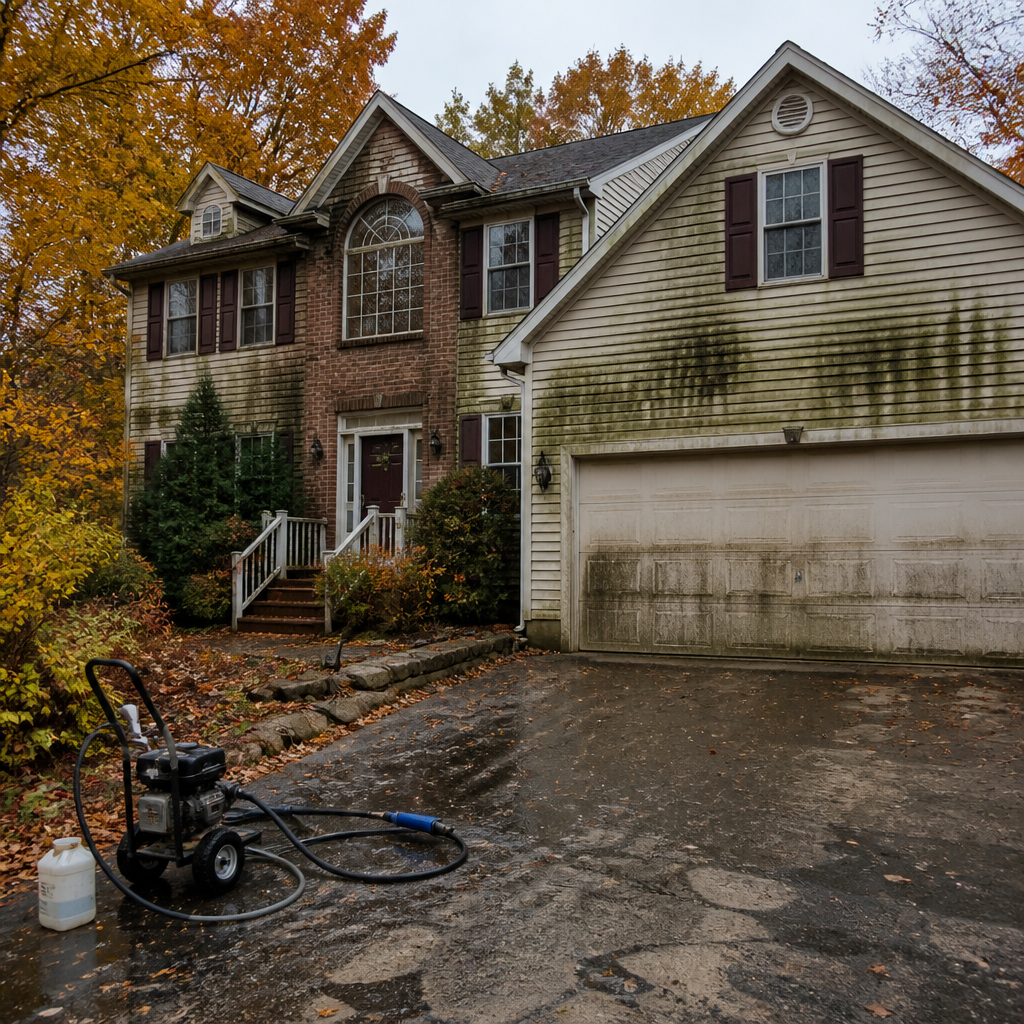
Sparta sits in Sussex County at an elevation that puts it squarely in the North Jersey highlands. That elevation, combined with the wooded lots and proximity to Lake Mohawk, produces a specific set of fall conditions that accelerate exterior surface degradation faster than many homeowners realize.
Leaf Tannin Staining on Concrete, Pavers, and Decks
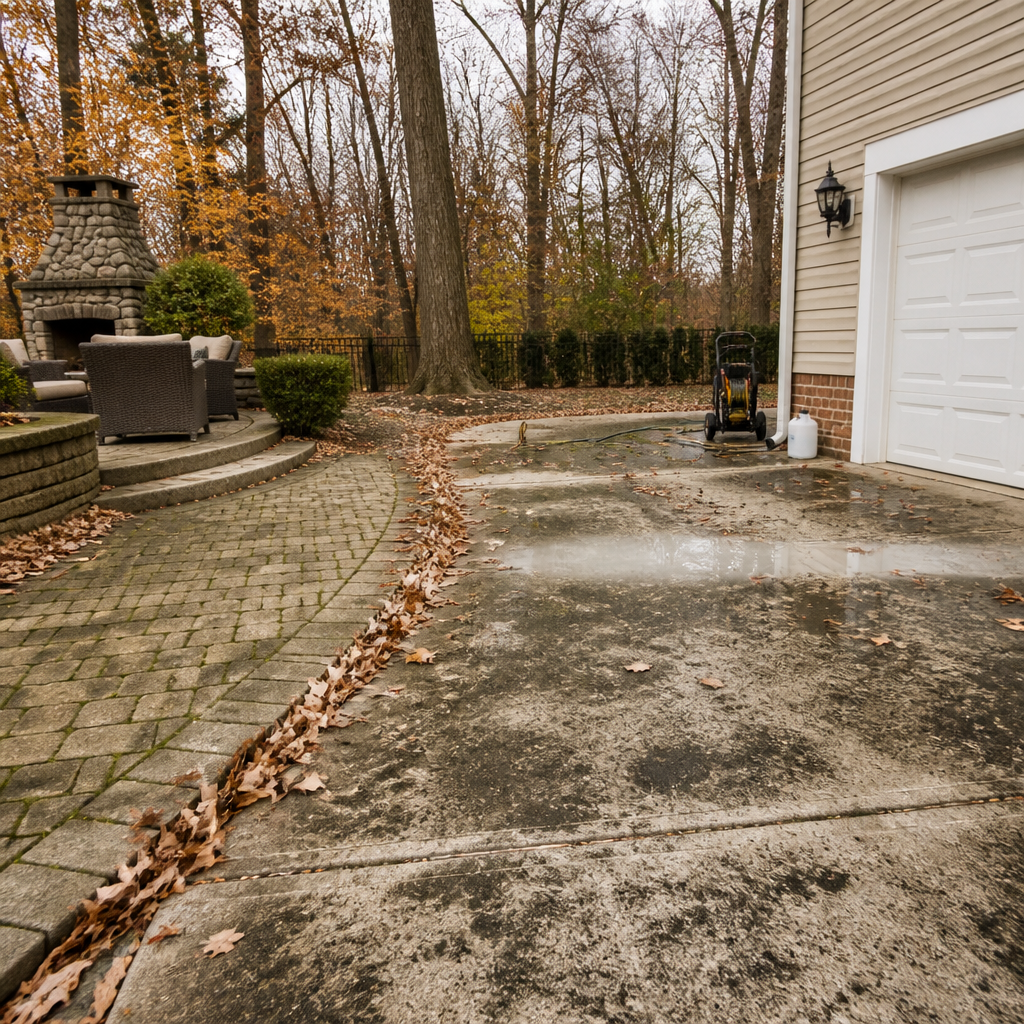
Wet leaves sitting on concrete, paver patios, and wood decking do not just look bad. The tannins they release bond to porous surfaces, leaving brown and tea-colored stains that set faster as temperatures drop. A leaf print that could be pressure washed off in 60-degree weather in early October becomes a much more stubborn problem by December. Cleaning in fall while the stains are fresh is the practical move.
Pavers are especially vulnerable. Their textured surface and joint sand trap organic material, and once tannin staining works into the joints, full restoration becomes necessary rather than routine cleaning. If paver sealing is part of your fall plan, the surface must be cleaned and fully dry before the sealer goes down, making timing doubly important.
Algae, Mold, and Mildew After a North Jersey Summer
The summer humidity in North Jersey builds a heavy load of biological growth on shaded surfaces: the north-facing side of a house, the underside of deck boards, roof sections shaded by overhanging trees, and concrete walkways that dry slowly. By the time fall arrives, that growth is at its seasonal maximum.
Algae does not simply disappear when temperatures drop. It desiccates and goes dormant, locked into surface pores, and resumes growth as soon as spring moisture returns. Removing it in fall eliminates the dormant colony rather than letting it overwinter and spread. On roofs especially, moss and algae that persist through winter continue digesting shingle granules, shortening roof lifespan with every freeze-thaw cycle.
Cleaning in fall removes organic growth at its peak rather than letting it overwinter and re-emerge stronger in spring. Waiting costs more than a cleaning appointment ever will.
Freeze-Thaw Damage to Driveways and Walkways
Concrete and paver surfaces are porous. Moisture, dirt, and organic material trapped in surface pores before the first freeze will expand as temperatures cycle above and below 32°F through November and December. That expansion widens micro-cracks, lifts paver joints, and erodes surface integrity. Pressure washing before the freeze season removes the contaminants that retain that moisture, giving surfaces a better chance of coming through winter in sound condition.
Pro tip: After a fall pressure wash, schedule paver sealing or concrete sealing within the following week or two while surfaces are dry and temperatures are still mild. Sealing locked into a clean surface before winter is one of the most cost-effective protective investments a Sparta homeowner can make.
Surfaces That Need Attention Before Winter
Not every surface needs the same urgency or the same cleaning method. Here is the practical priority list for Sparta properties heading into winter.
Roof Cleaning and Moss Removal
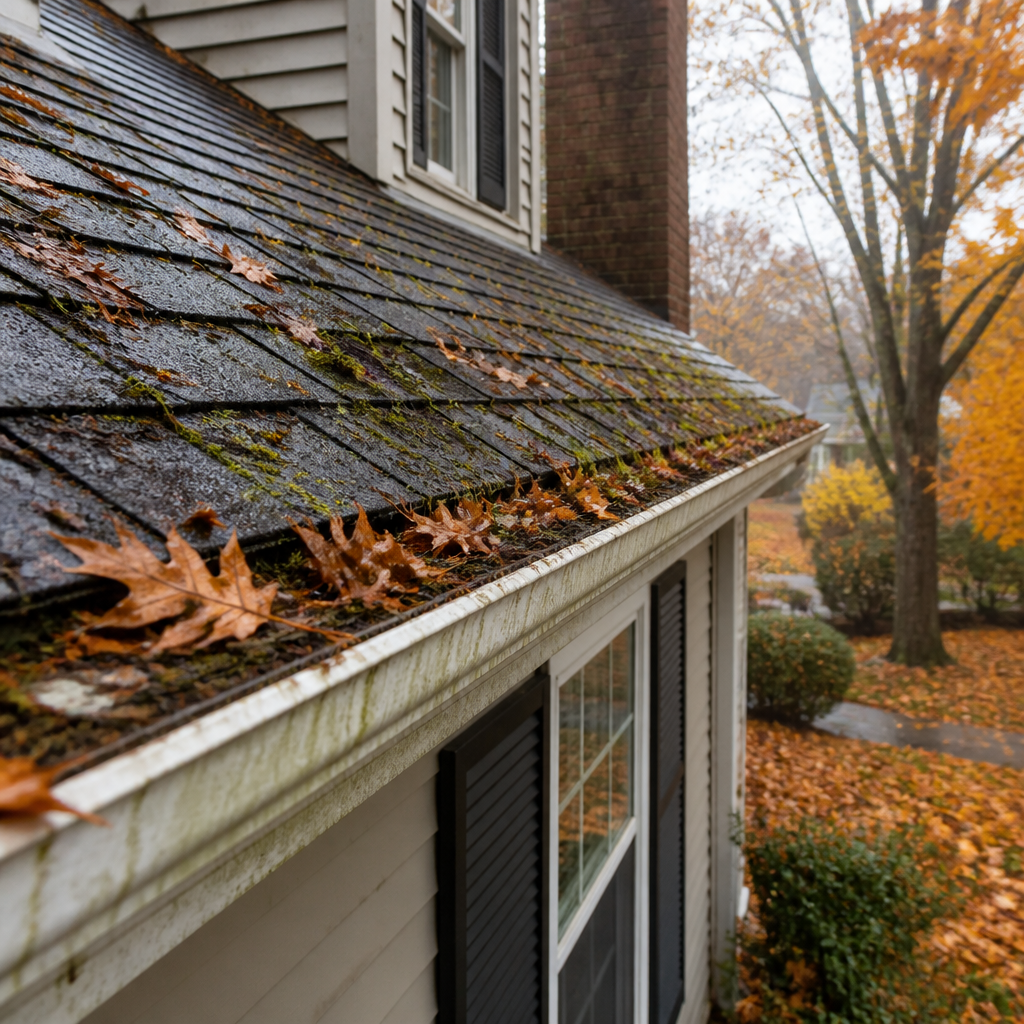
Roof cleaning is arguably the highest-priority fall job for Sparta homes. Moss, algae, and black streaks on shingles are not cosmetic problems. They are active biological processes that break down shingle materials. Fall cleaning treats and removes those organisms before they overwinter. Soft washing, using low pressure and professional-grade biodegradable cleaning solutions, is the correct method for roof surfaces. High-pressure washing on shingles causes granule loss and voids manufacturer warranties on many roofing materials.
After roof cleaning, the roofline is also ready for any LED or holiday lighting installation that follows, with no interference from debris or biological growth on the surface.
Gutter Cleaning and Gutter Brightening
Gutters should be cleaned in late fall, after the bulk of the leaf drop has occurred, but before the first hard freeze. Clogged gutters cause water to back up and overflow, saturating fascia boards and the soil along your foundation. In freezing temperatures, that overflow becomes an ice dam situation that can lift shingles, damage fascia, and create icicle hazards. Gutter brightening, which removes the black streaking that oxidation leaves on gutter exteriors, is best done while crews are already on ladders for the cleaning job.
House Washing and Siding
The exterior siding of a Sparta home accumulates a full summer of pollen, dust, mold spores, and biological growth. Soft washing the house before winter removes all of that, prevents further biological growth under moist winter conditions, and protects paint and finish coatings from moisture-related peeling and cracking. A clean exterior also makes any holiday lighting installation look significantly sharper.
Driveway, Walkway, and Concrete Cleaning
Driveways and walkways take the heaviest foot and vehicle traffic, and they accumulate tire marks, oil drips, tannin stains, and algae. Clearing this buildup in fall prevents slip hazards as frost begins to form, and gives you a clean, well-maintained surface to apply ice melt product evenly when winter arrives. A clean surface means ice melt works where you put it rather than sitting on top of a slick organic film.
Deck and Patio Cleaning
Wood decks and composite surfaces that head into winter carrying mold, mildew, and leaf debris come out of winter looking significantly worse. Wet organic matter on a deck surface stays wet, feeds biological growth, and in the case of wood, accelerates rot. A fall cleaning followed by deck staining or deck painting, where applicable, extends the life of the deck surface and reduces the amount of repair work needed in spring.
Pro tip: If you want to apply a fresh stain or sealant to your deck before winter, the deck must be completely clean and dry first. A professional pressure wash followed by 48 hours of dry weather gives you the window you need. Plan the cleaning appointment with that timeline in mind, not as an afterthought.
Soft Washing vs. Pressure Washing: Fall Surface Guide
One of the most common mistakes homeowners make when thinking about fall exterior cleaning is assuming that all pressure washing is the same. It is not. Applying the wrong method to the wrong surface causes damage, voids warranties, and can result in repairs that cost far more than the cleaning would have.
| Surface | Recommended Method | Why It Matters in Fall |
|---|---|---|
| Asphalt shingle roof | Soft washing only | High pressure removes granules and can void warranties. Soft washing kills moss and algae without mechanical damage, leaving surfaces ready for winter. |
| Vinyl, wood, or painted siding | Soft washing | High pressure can force water behind siding panels and damage paint. Soft wash solutions remove biological growth without surface risk, protecting coatings through the wet winter months. |
| Concrete driveway, walkways, pool deck | Pressure washing | Concrete is dense enough to handle higher pressure. Fall cleaning removes tannin stains, algae, and tire marks before freeze-thaw cycles lock them into the surface. |
| Pavers and brick | Pressure washing, followed by re-sanding and sealing | Pavers need organic debris cleared from joints before winter. Sealing after cleaning prevents moisture intrusion and joint sand washout during winter rain and snow events. |
| Wood or composite deck | Low-to-medium pressure washing | Removes fall leaf debris, mold, and mildew. Proper pressure for the surface material avoids splintering or damaging composite boards. Prepares surface for staining or sealing before freeze. |
| Windows | Professional window cleaning | Fall wind drives debris, water spots, and tree sap onto windows. Clean windows before winter means better natural light through shorter days and a clean appearance for holiday season guests. |
Knowing which method applies to which surface is not something most homeowners should figure out through trial and error. The wrong call on a roof or wood siding is expensive. A professional crew brings the right equipment and the right chemical application for each surface type, matched to the specific conditions of your Sparta property.
Scheduling Strategy: Book Early or Lose Your Spot
Fall is the busiest season for exterior cleaning crews in North Jersey, and Sparta is no exception. The window between mid-September and late October fills up quickly with homeowners who have finally noticed their roof stains, their green driveways, or the black streaks running down their siding. By late October, many professional schedules are full, and by November, temperatures and weather windows make certain jobs impractical.
The Right Sequence for Fall Exterior Work
If you are planning multiple services, the order matters. Roof cleaning and gutter cleaning come first, since debris from those jobs can land on surfaces below. House washing follows. Driveway and hardscape cleaning comes next. If paver sealing or deck staining is planned, it goes last, after all cleaned surfaces have dried fully. Trying to compress this into a single-day rush at the end of October is a recipe for wet sealant going down on a surface that has not had time to dry properly.
When Temperatures Make Cleaning Impractical
Once temperatures consistently drop into the low 40s or below, cleaning solutions used in soft washing become less effective. Chemical dwell time increases, coverage drops, and rinsing becomes difficult when there is any risk of ice formation on surfaces. Many exterior cleaning jobs, particularly paver sealing and deck staining, require temperatures above 50°F during application and for several hours afterward to cure correctly. The practical cut-off for most fall exterior cleaning work in Sparta is mid-to-late November, depending on the year.
The takeaway is straightforward. The homeowner who books a fall pressure washing appointment in September or early October gets the best weather window, the most available scheduling options, and enough time to add follow-up services like staining or sealing before winter arrives. The homeowner who waits until they see snow in the forecast has already missed most of those options.
Frequently Asked Questions
For most surfaces, yes. Spring washing cleans off winter residue, which is valuable. But fall washing prevents damage from occurring over winter in the first place. Organic material, moisture, and biological growth left on surfaces through a North Jersey winter cause far more deterioration than the same buildup sitting on surfaces through the summer. Fall cleaning is prevention. Spring cleaning is repair. Prevention is cheaper.
It can, if the wrong method is used. High-pressure washing on asphalt shingles removes protective granules and can void manufacturer warranties. On vinyl or painted wood siding, high pressure can force water behind panels and damage paint or cause moisture intrusion. A professional exterior cleaning company uses soft washing for roofs and siding, which applies low-pressure water and biodegradable cleaning solutions appropriate for those surfaces. The damage concern is real, but it is a reason to hire a professional, not a reason to skip the cleaning.
The best window is September through mid-October. The weather is still warm enough for cleaning solutions to work effectively, drying conditions are good, and there is still enough time afterward to complete any sealing or staining before temperatures consistently drop. Waiting until late October or November risks running into full schedules, unfavorable temperatures for sealants, and weather events that compress the available working window.
It is part of the same seasonal maintenance plan. Gutters full of leaf debris overflow during winter rain events, saturating fascia boards and foundation landscaping. In freezing conditions, that overflow creates ice dams that can lift shingles and damage your roofline. Cleaning gutters in late fall, after the majority of leaves have dropped but before the first hard freeze, addresses this directly. Many homeowners schedule gutter cleaning alongside or immediately following house washing and roof cleaning as part of a single fall service visit.
A fall pressure washing of your driveway is one of the best preparations for winter ice management. Algae, organic debris, and tannin buildup on concrete surfaces create an uneven, slick base that reduces how effectively ice melt products work. A clean concrete surface allows ice melt to contact the pavement directly, improving traction and performance. It also removes the slip hazard that algae-covered concrete creates before frost or ice forms.
The most productive fall exterior cleaning visits combine roof cleaning, gutter cleaning, house washing, and driveway or concrete cleaning in a single visit sequence. If you have a deck, adding deck cleaning and a deck staining or sealing appointment makes sense given that all surfaces are clean and the weather window is right. Solar panel cleaning is also worth including in the fall, since a summer’s worth of pollen and debris on panels reduces energy output, and clean panels heading into the lower-light winter months perform better. Window cleaning rounds out the package for homeowners who want their property fully prepared for the holiday season.
Have you scheduled your fall exterior cleaning for your Sparta property this year, or are you still weighing when to book? Share your experience or questions in the comments below.
References
- Five reasons fall is the ideal time for power washing a New Jersey home
- Why fall is the perfect time for exterior cleaning in New Jersey
- Why homeowners should pressure wash before winter hits
- Climate and weather averages for Sparta Township, New Jersey
- Fall pressure washing tips for decks, patios, and driveways
Ready For A Clean Home?
Schedule Quality Sparta Power Washing Today!